The human digestive system operates on a finely tuned internal clock, yet modern lifestyles often disrupt this natural rhythm. For individuals struggling with chronic constipation, retraining the gut's circadian patterns may offer surprising relief. Emerging research suggests that aligning bowel habits with the body's biological clock could significantly improve regularity without relying solely on laxatives or dietary changes.
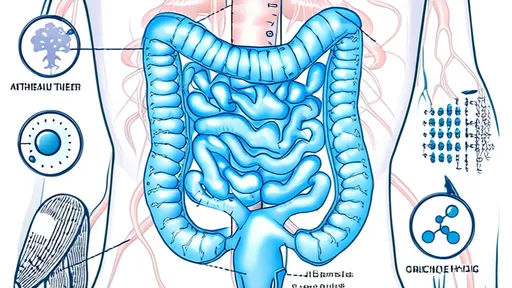
The gut has its own circadian rhythm, separate from but influenced by the brain's master clock. Specialized cells in the intestinal lining contain clock genes that regulate digestive processes, including the wave-like muscle contractions (peristalsis) that move waste through the colon. These rhythms peak in the morning, making the early hours after waking the most physiologically advantageous time for bowel movements.
Chronic constipation often develops when people repeatedly ignore their body's natural signals. The colon becomes less responsive over time, leading to harder stools and decreased motility. Many adults suppress the urge due to morning rush hours, work schedules, or simply being away from familiar bathrooms. This creates a vicious cycle where the gut's internal timing becomes increasingly dysregulated.
Light exposure plays a crucial role in synchronizing the gut clock. Morning sunlight triggers cortisol release, which stimulates colonic activity. People who spend little time outdoors or wake up in dark environments may experience delayed bowel rhythms. Similarly, artificial light at night can disrupt melatonin production, affecting next-morning digestion. Making simple adjustments to light exposure patterns often yields noticeable improvements.
The temperature cycle also influences intestinal motility. Core body temperature naturally drops during sleep and rises upon waking, creating internal conditions favorable for elimination. Maintaining consistent sleep-wake times helps regulate this thermal rhythm. Irregular sleep patterns, common among shift workers, frequently correlate with constipation issues due to misaligned temperature fluctuations.
Hydration timing matters more than most realize. Drinking two glasses of water immediately upon waking creates osmotic pressure that stimulates the gastrocolic reflex. This 20-minute window after rising offers prime opportunity to "train" the bowel. Warm liquids provide additional thermal stimulation to the digestive tract. Many constipation sufferers drink adequate water overall but miss this critical morning hydration window.
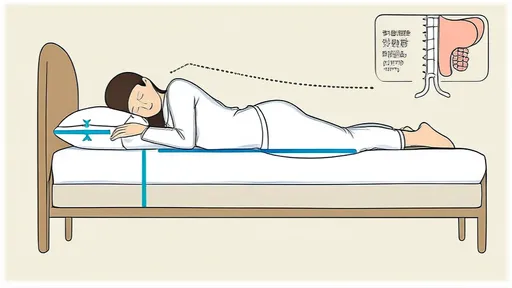
Physical movement within thirty minutes of waking capitalizes on the gut's natural readiness. The simple act of standing upright activates the gravitational advantage for colon transit. Gentle twisting motions or left-side massage can further enhance morning peristalsis. These mechanical signals reinforce the circadian message that elimination time has arrived.
The position assumed during bowel movements affects efficiency. Squatting or using a footstool to elevate the knees aligns the rectum for optimal emptying. This posture takes advantage of the gut's morning readiness while reducing straining. Many chronic constipation cases improve dramatically simply by optimizing bathroom posture during the circadian peak window.
Dietary timing proves equally important as food choices. Eating breakfast signals the gut to initiate the digestive sequence. Skipping morning meals confuses intestinal clocks expecting fuel to process. Fiber consumed at night may sit stagnant until morning motility begins, while morning fiber intake catches the natural peristaltic wave. Strategic meal scheduling works synergistically with the gut's innate rhythms.
Stress management directly impacts gut timing. Cortisol spikes from morning stress can override natural digestive signals. Conversely, brief morning meditation or deep breathing exercises may help synchronize nervous system cues with intestinal readiness. The gut-brain axis functions as a two-way communication channel that profoundly influences circadian patterns.
Consistency forms the foundation of successful gut clock training. The colon thrives on predictable routines. Waking, hydrating, moving, and attempting bowel movements at consistent times each day gradually reinforces the rhythm. While initial changes may seem subtle, cumulative effects typically manifest within several weeks of disciplined practice.
Tracking progress helps maintain motivation during the retraining process. Noting morning urges, stool consistency, and transit time creates valuable feedback. Many individuals discover their constipation stemmed not from dietary deficiencies but from lifestyle patterns that conflicted with innate biological timing. Modern conveniences often override these ancient physiological programs.
Patience proves essential when resetting gut rhythms developed over years. The digestive system responds gradually to new patterns. Temporary setbacks may occur during travel or schedule disruptions, but the trained rhythm typically reasserts itself once normal routines resume. This resilience demonstrates the remarkable plasticity of our internal timing mechanisms.
For those struggling with chronic constipation, aligning daily habits with the gut's natural circadian tendencies often provides more lasting relief than aggressive interventions. The body possesses innate wisdom about when elimination should occur; modern lifestyles simply need to relearn how to listen. By working with rather than against these biological rhythms, many find their constipation resolves as their gut clock returns to its evolutionary programming.

By /Jul 28, 2025

By /Jul 28, 2025

By /Jul 28, 2025

By /Jul 28, 2025

By /Jul 28, 2025

By /Jul 28, 2025

By /Jul 28, 2025

By /Jul 28, 2025

By /Jul 28, 2025

By /Jul 28, 2025

By /Jul 28, 2025

By /Jul 28, 2025

By /Jul 28, 2025
By /Jul 28, 2025
By /Jul 28, 2025

By /Jul 28, 2025

By /Jul 28, 2025

By /Jul 28, 2025

By /Jul 28, 2025

By /Jul 28, 2025