When gout strikes suddenly, the searing pain in your joints can feel unbearable. During these acute flare-ups, what you eat and drink becomes more than just daily nutrition—it transforms into an emergency response strategy. The right dietary choices during a gout attack can mean the difference between prolonged suffering and quicker relief.
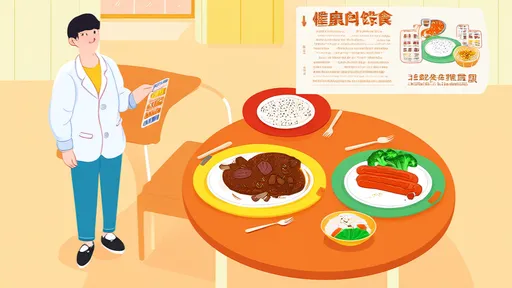
The immediate aftermath of a gout attack requires swift action through your diet. Purine-rich foods, which break down into uric acid in the body, should be avoided like the plague. This means saying no to organ meats, game meats, certain seafood like anchovies and sardines, and even some vegetables like asparagus and mushrooms that are moderately high in purines. Your body simply can't process these efficiently when inflammation is raging.
Hydration emerges as your first line of defense. Drinking copious amounts of water helps flush excess uric acid from your system. Many gout sufferers find relief by aiming for 3-4 liters of water daily during attacks. Herbal teas and tart cherry juice often provide additional anti-inflammatory benefits without the drawbacks of sugary beverages. The goal is to dilute the uric acid concentration in your blood while supporting kidney function.
Dairy products, particularly low-fat varieties, become unexpected allies during gout flares. The proteins in milk appear to help reduce uric acid levels while providing much-needed calcium. Greek yogurt, cottage cheese, and skim milk can form the foundation of meals when meat and seafood are off the table. These foods offer satiety without triggering further uric acid production.
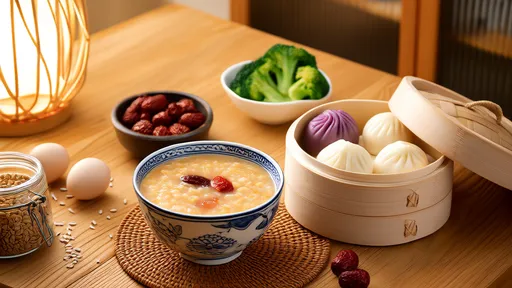
Complex carbohydrates from whole grains help maintain energy levels when protein sources are limited. Brown rice, quinoa, oats, and whole wheat products provide steady fuel without spiking blood sugar. This matters because insulin resistance has been linked to higher uric acid levels. The fiber in these foods also supports gut health, which plays a surprising role in inflammation regulation.
Fruits typically occupy a gray area during gout attacks. While most fruits are beneficial, their natural sugars require moderation. Tart cherries stand out as exceptional due to their anthocyanin content, which helps reduce inflammation. Berries, apples, and citrus fruits (in reasonable portions) provide valuable vitamin C that may help lower uric acid levels. Bananas offer potassium, which aids in uric acid excretion.
Coffee drinkers receive somewhat surprising news during gout attacks. Moderate coffee consumption appears to lower uric acid levels for many people, possibly due to compounds that improve insulin sensitivity. However, dehydration from excessive caffeine can backfire, so balance becomes key. Those unaccustomed to coffee shouldn't start during an attack, but regular drinkers may continue their habit in moderation.
The preparation methods of foods gain heightened importance during acute gout. Boiling foods like vegetables and certain meats can actually reduce their purine content as these compounds leach into the cooking water (which should then be discarded). Frying and grilling, which concentrate compounds, should be avoided. Steaming becomes an ideal cooking method that preserves nutrients without adding unnecessary fats or concentrating purines.
Timing your meals and snacks takes on new significance when battling a gout flare. Smaller, more frequent meals help maintain stable energy levels without overwhelming your system. Late-night eating should be avoided as uric acid production increases during sleep. Spreading protein intake evenly throughout the day prevents sudden surges in purine metabolism that could exacerbate symptoms.
Alcohol represents one of the most dangerous dietary elements during acute gout. Not only does it increase uric acid production, but it also impairs kidney function, making uric acid removal less efficient. Beer proves particularly harmful due to its yeast content, but all alcoholic beverages can prolong and intensify gout attacks. Complete abstinence becomes crucial until symptoms fully resolve.
Certain spices and herbs may offer supportive benefits during gout flares. Turmeric, with its active compound curcumin, possesses potent anti-inflammatory properties. Ginger also helps combat inflammation and can be consumed as tea or added to meals. These shouldn't replace medical treatment but can complement dietary adjustments to provide additional relief.
The psychological aspect of dietary changes during gout attacks shouldn't be underestimated. Feeling deprived of favorite foods can add stress to an already painful situation. Focusing on what you can eat rather than restrictions helps maintain a positive mindset. Experimenting with new recipes and flavors can transform this challenging period into an opportunity for culinary exploration.
As the acute phase passes, dietary vigilance should continue for several weeks. Gradually reintroducing higher-purine foods in small quantities allows you to monitor your body's response. Keeping a detailed food journal during this transition period helps identify personal triggers that might not affect all gout sufferers equally. This personalized approach forms the foundation for long-term gout management.
Remember that while dietary changes provide crucial support during acute gout attacks, they work best alongside medical treatment. Proper hydration and purine restriction help manage symptoms, but prescribed medications often remain necessary to fully resolve the inflammation. Viewing diet as part of a comprehensive response strategy yields the best outcomes for both immediate relief and future prevention.
The acute phase of gout teaches powerful lessons about the connection between food and inflammation. Many sufferers find that the dietary discipline developed during attacks serves them well in maintaining long-term joint health. What begins as an emergency response often evolves into sustainable eating patterns that prevent future flares while promoting overall wellness.

By /Jul 28, 2025

By /Jul 28, 2025
By /Jul 28, 2025

By /Jul 28, 2025

By /Jul 28, 2025

By /Jul 28, 2025

By /Jul 28, 2025

By /Jul 28, 2025

By /Jul 28, 2025

By /Jul 28, 2025

By /Jul 28, 2025
By /Jul 28, 2025

By /Jul 28, 2025
By /Jul 28, 2025

By /Jul 28, 2025

By /Jul 28, 2025

By /Jul 28, 2025

By /Jul 28, 2025

By /Jul 28, 2025

By /Jul 28, 2025