In our fast-paced modern world, anxiety has become an unwelcome companion for many. The constant barrage of stimuli, coupled with the pressures of daily life, often leaves individuals feeling overwhelmed and disconnected from their physical surroundings. Sensory anchoring has emerged as a powerful technique to combat these feelings, offering a tangible way to ground oneself during moments of distress.
The concept of sensory anchoring isn't new, but its application in anxiety management has gained significant traction in recent years. At its core, this practice involves using one's five senses to create a mental and physical tether to the present moment. When anxiety threatens to spiral out of control, these sensory anchors serve as lifelines, pulling us back from the edge of panic and into the reality of our immediate environment.
What makes sensory anchoring particularly effective is its accessibility. Unlike some therapeutic interventions that require special equipment or professional guidance, sensory grounding can be practiced anywhere, at any time. The technique capitalizes on our body's natural wiring - the direct connection between sensory input and emotional regulation. By consciously engaging our senses, we essentially hijack the anxiety response, redirecting our nervous system's attention to concrete, observable phenomena rather than intangible worries.
The science behind this approach reveals fascinating insights into human neurology. When we experience anxiety, our amygdala - the brain's fear center - goes into overdrive, often overriding our prefrontal cortex, which handles rational thought. Sensory input creates competing neural pathways, effectively disrupting this cycle. The tactile sensation of a smooth stone, the sharp scent of peppermint, or the rhythmic sound of breathing all send strong signals to the brain that compete with and eventually dampen the anxiety response.
Developing an effective sensory anchoring practice begins with identifying which senses respond most strongly for each individual. Some people find visual anchors most calming - perhaps a specific photograph or a small object they can focus their gaze upon. Others respond better to tactile stimuli, like the texture of a worry stone or the temperature of an ice cube. Auditory anchors might include a particular piece of music or even the simple act of counting breaths. The key lies in experimentation and personalization.
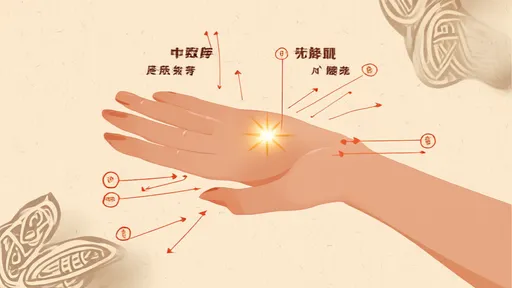
One of the most accessible sensory anchors is often right at our fingertips - literally. The hands contain a high concentration of nerve endings, making them ideal for grounding exercises. Rubbing fingertips together, pressing palms firmly on a surface, or interlacing fingers while applying gentle pressure can all serve as effective anchors. These simple actions provide the brain with concrete sensory data that helps override abstract anxious thoughts.
Olfactory anchors represent another powerful tool in the sensory grounding toolkit. The sense of smell has a direct pathway to the emotional centers of the brain, which explains why certain scents can instantly transport us to different times or emotional states. Carrying a small vial of essential oil or a scented handkerchief allows for quick access to this grounding mechanism. Popular choices include lavender for its calming properties, peppermint for its invigorating clarity, or citrus scents for their uplifting effects.
The environment around us constantly provides potential anchors if we learn to recognize them. The weight of a jacket on shoulders, the taste of a mint, the sound of distant traffic - all can become points of focus during anxious moments. With practice, individuals learn to automatically scan their surroundings for these anchors, creating an ever-present safety net against rising anxiety.
Consistency plays a crucial role in making sensory anchoring truly effective. Just as athletes train their muscles through repetition, we must train our neural pathways to default to these grounding techniques during times of stress. This means practicing them even when not anxious, building the association between the sensory input and a calm state. Over time, the mere introduction of the anchor can trigger relaxation responses.
While sensory anchoring provides immediate relief, its long-term benefits shouldn't be overlooked. Regular practitioners often report increased general awareness of their bodily sensations and environment. This heightened mindfulness creates a buffer against anxiety, as individuals become more attuned to early warning signs and can intervene before distress escalates. The practice essentially builds emotional resilience over time.
It's important to note that sensory anchoring works best as part of a comprehensive anxiety management strategy. For some individuals, professional therapy or medication may still be necessary. However, even in these cases, sensory techniques can serve as valuable complementary tools, providing immediate relief during breakthrough anxiety episodes.
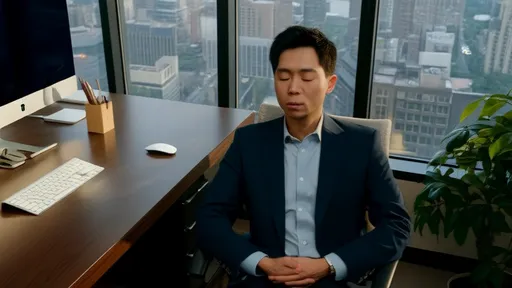
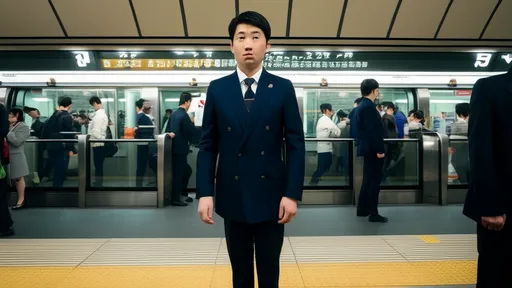
The beauty of sensory anchoring lies in its simplicity and adaptability. Whether you're in a crowded subway, an important meeting, or lying awake at night, these techniques remain within reach. They require no special equipment, just a willingness to engage fully with the present moment through the miraculous interface of our senses.
As research continues to validate these ancient wisdom-based practices, sensory anchoring stands poised to become a mainstream tool in our collective mental health toolkit. In a world that often feels increasingly virtual and disconnected, perhaps the most powerful remedy lies in reconnecting - quite literally - with what we can see, hear, touch, taste, and smell in the here and now.

By /Jul 28, 2025

By /Jul 28, 2025
By /Jul 28, 2025
By /Jul 28, 2025

By /Jul 28, 2025
By /Jul 28, 2025
By /Jul 28, 2025
By /Jul 28, 2025
By /Jul 28, 2025

By /Jul 28, 2025
By /Jul 28, 2025
By /Jul 28, 2025
By /Jul 28, 2025
By /Jul 28, 2025
By /Jul 28, 2025
By /Jul 28, 2025

By /Jul 28, 2025

By /Jul 28, 2025
By /Jul 28, 2025

By /Jul 28, 2025