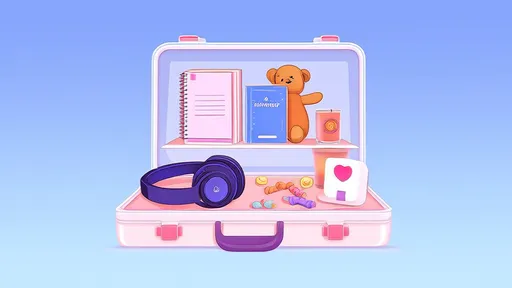
In our fast-paced world where stress and emotional turbulence have become commonplace, having an emotional first aid kit is just as crucial as keeping bandages and antiseptics in your medicine cabinet. Unlike physical wounds that are visible and often treated immediately, emotional injuries tend to be neglected, left to fester until they manifest as anxiety, depression, or burnout. The concept of an emotional first aid kit isn’t about quick fixes but rather about equipping yourself with tools and practices that can help you navigate life’s inevitable ups and downs with greater resilience.
The foundation of any emotional first aid kit is self-awareness. Without recognizing what you’re feeling, it’s impossible to address it effectively. Journaling can be a powerful tool here, allowing you to unpack complex emotions and identify patterns over time. Some people find that free-writing without censorship helps them uncover buried feelings, while others prefer structured prompts to guide their reflections. The key is consistency—making space for this practice daily or weekly ensures that emotions don’t pile up unnoticed.
Another essential component is grounding techniques for moments when overwhelm strikes. These can range from simple breathing exercises to more immersive sensory experiences like holding an ice cube or focusing on the details of your surroundings. The 5-4-3-2-1 method—where you name five things you can see, four you can touch, three you can hear, two you can smell, and one you can taste—is particularly effective for short-circuiting panic attacks. Having these tools at your mental fingertips means you’re never defenseless against sudden emotional storms.
Human connection serves as both prevention and treatment for emotional distress. Curate a list of go-to people who’ve earned your trust—friends who listen without judgment, family members who offer perspective, or mentors who provide wisdom. In your kit, this might translate to saved text threads, voice memos, or even handwritten letters you can revisit when you need reminding that you’re not alone. Equally important is knowing when professional support belongs in your kit; having a therapist’s contact information readily available removes barriers during crises.
Creative expression often gets overlooked as emotional medicine, yet it’s one of the most potent remedies. Your kit might include art supplies for spontaneous doodling, a musical instrument for channeling feelings into sound, or poetry that articulates what you struggle to voice. The act of creation—whether skilled or messy—externalizes internal experiences, providing both release and clarity. Many find that keeping a “worry box” where they can deposit written anxieties physically contains overwhelming thoughts.
Physical movement belongs in every emotional first aid kit because the body and mind are inextricably linked. This doesn’t mean rigorous workouts (unless that’s your preference), but rather intentional practices like yoga sequences for different moods, a playlist for cathartic dancing, or even just comfortable walking shoes for clearing your head outdoors. The biochemical changes from movement—endorphins, reduced cortisol—directly counteract stress responses, making this one of the few tools that addresses emotional pain on a physiological level.
Your kit should also contain cognitive restructuring tools to challenge distorted thinking. This might include mantras for countering negative self-talk (“This feeling is temporary,” “I’ve handled hard things before”), lists of personal accomplishments to combat imposter syndrome, or philosophical passages that put suffering in perspective. Cognitive Behavioral Therapy worksheets can be particularly valuable here, providing structured ways to examine the evidence for distressing thoughts and develop more balanced alternatives.
Finally, no emotional first aid kit is complete without practices for restoration and joy. These are the equivalent of emotional antibiotics—preventative measures that build your baseline resilience. Your collection might include a gratitude practice, a folder of memories that make you smile, or a list of “micro-joys”—small, accessible pleasures like a favorite tea blend or the smell of rain. Scheduling regular activities that replenish you, rather than waiting until you’re depleted, maintains emotional immunity against life’s constant stressors.
The most effective emotional first aid kits are deeply personal, evolving as you discover what uniquely sustains you. Unlike physical first aid where antiseptic works the same for everyone, emotional remedies must account for individual temperament, history, and needs. Periodically revisiting and refining your kit ensures it remains relevant through different life seasons. While we can’t prevent emotional injuries entirely, being prepared to treat them makes all the difference in our capacity to heal and thrive.

By /Jul 28, 2025

By /Jul 28, 2025
By /Jul 28, 2025

By /Jul 28, 2025

By /Jul 28, 2025
By /Jul 28, 2025

By /Jul 28, 2025

By /Jul 28, 2025
By /Jul 28, 2025
By /Jul 28, 2025
By /Jul 28, 2025
By /Jul 28, 2025

By /Jul 28, 2025
By /Jul 28, 2025
By /Jul 28, 2025
By /Jul 28, 2025

By /Jul 28, 2025

By /Jul 28, 2025
By /Jul 28, 2025

By /Jul 28, 2025