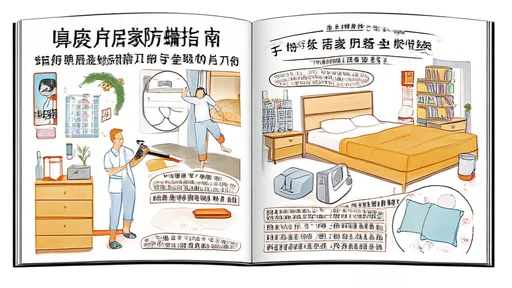
Home Dust Mite Control Manual for Rhinitis Patients

Jul 28, 2025 By

For millions of people worldwide, allergies triggered by dust mites can turn the comfort of home into a constant battle against sneezing, congestion, and itchy eyes. While medications provide temporary relief, addressing the root cause—dust mite populations in your living space—can lead to long-term improvement. For those suffering from chronic rhinitis, understanding how to effectively reduce dust mites at home becomes an essential part of managing symptoms.

Dust mites thrive in warm, humid environments and feed on dead skin cells shed by humans and pets. These microscopic creatures are virtually invisible to the naked eye, yet their presence can wreak havoc on sensitive individuals. The bedroom, particularly mattresses, pillows, and bedding, serves as ground zero for dust mite colonies due to the abundance of skin flakes and ideal living conditions. However, these pests also inhabit upholstered furniture, carpets, and even children's stuffed animals.

The connection between dust mites and allergic rhinitis lies in the proteins found in their feces and decaying bodies. When these particles become airborne and are inhaled, they trigger the immune system to overreact in sensitive individuals. This reaction leads to the release of histamine and other chemicals that cause inflammation in nasal passages—resulting in the all-too-familiar symptoms of allergic rhinitis. Unlike seasonal allergies caused by pollen, dust mite allergies persist year-round, often worsening during humid months or when spending extended time indoors.

Creating an inhospitable environment for dust mites requires a multi-pronged approach that combines humidity control, thorough cleaning practices, and strategic use of specialized products. Maintaining indoor humidity below 50% significantly impacts dust mite populations, as these creatures cannot survive in dry conditions. Dehumidifiers and air conditioners become valuable tools in this regard, particularly in basements and bedrooms. Ventilation also plays a crucial role—opening windows regularly (when outdoor pollen counts are low) helps reduce indoor humidity and flushes out airborne allergens.

Bedding represents the most critical battleground in the war against dust mites. Encasing mattresses, pillows, and box springs in allergen-proof covers creates a physical barrier that prevents mites from colonizing these areas while also trapping existing mites inside. These specially woven fabrics block microscopic particles while remaining comfortable to sleep on. Washing all bedding weekly in hot water (at least 130°F or 54°C) kills dust mites and removes their food source. For items that can't withstand high temperatures, freezing for 24 hours can also eliminate mites.

Flooring choices significantly influence dust mite populations throughout the home. Hard surface flooring such as wood, tile, or vinyl allows for more thorough cleaning compared to wall-to-wall carpeting. If removing carpets isn't an option, frequent vacuuming with a HEPA-filter equipped machine helps reduce allergen levels. Steam cleaning carpets and upholstery periodically can kill dust mites through heat while also removing stains and odors. When selecting furnishings, opting for leather or vinyl instead of fabric upholstery creates less hospitable environments for mite colonization.

Traditional cleaning methods often redistribute allergens rather than eliminating them. Dusting with a dry cloth simply sends particles airborne, where they remain suspended for hours. Instead, using a damp microfiber cloth traps dust effectively. Similarly, sweeping tends to stir up allergens, making mopping with hot water a superior alternative. When vacuuming, wearing a mask can prevent temporary worsening of symptoms from disturbed allergens. Allergen-reducing sprays containing tannic acid or benzyl benzoate can neutralize mite allergens in fabrics that can't be washed frequently.

Children's rooms require special attention due to the prevalence of stuffed animals and fabric-based toys. Placing washable stuffed animals in the freezer overnight once a month kills dust mites without damaging the toys. For non-washable items, periodic sun exposure can help—the combination of UV light and heat proves lethal to mites. Encouraging children to keep toys in closed containers rather than scattered across floors or beds reduces potential mite habitats.

Air purification plays a supporting role in comprehensive dust mite control. HEPA air filters can capture airborne allergen particles, providing relief especially during sleep. However, they should complement rather than replace other measures since most dust mite allergens remain settled in fabrics rather than circulating in air. Regular maintenance of HVAC systems, including changing filters monthly during peak allergy seasons, prevents recirculation of allergens throughout the home.

Pets unwittingly contribute to dust mite problems by increasing the amount of dead skin cells in the environment. While rehoming pets isn't necessary, certain practices can minimize their impact. Grooming pets regularly outdoors reduces loose hair and dander indoors. Creating pet-free zones, particularly in bedrooms, establishes at least one space with reduced allergen levels. Washing pet bedding as frequently as human bedding follows the same principles of dust mite control.

For severe cases, more intensive measures may prove necessary. Professional duct cleaning removes years of accumulated dust from ventilation systems. Acaricides—chemicals that kill mites—can be applied to carpets and upholstery, though their effects are temporary and require reapplication. Some homeowners opt for UV vacuum attachments that claim to kill mites during cleaning, though research on their effectiveness remains mixed. In extreme situations, replacing old mattresses or heavily infested furniture may represent the most effective solution.

Implementing these changes doesn't require overwhelming effort all at once. Gradually incorporating one new practice each week allows for adjustment while still making progress. Many sufferers report noticeable improvement within weeks of consistent implementation. Keeping a symptom diary helps identify which measures yield the most benefit for each individual. While complete elimination of dust mites proves impossible, substantial reduction often provides sufficient relief to significantly improve quality of life for rhinitis sufferers.

Beyond physical changes to the home environment, certain lifestyle adjustments can complement dust mite reduction efforts. Showering before bed removes allergens from hair and skin that would otherwise transfer to bedding. Changing clothes upon returning home prevents bringing outdoor allergens indoors. Staying well-hydrated keeps nasal passages moist and better able to flush out irritants naturally. These simple habits, combined with thorough environmental controls, create a comprehensive defense against dust mite-related rhinitis symptoms.

The psychological impact of chronic rhinitis shouldn't be underestimated. Persistent symptoms can lead to fatigue, irritability, and decreased productivity. Successfully controlling home allergen levels often brings not just physical relief but also mental and emotional benefits. Many patients report improved sleep quality, increased energy levels, and better overall mood after implementing thorough dust mite control measures. This holistic improvement underscores the importance of viewing home allergen reduction as an investment in overall wellbeing rather than just a series of cleaning tasks.

Scientific understanding of dust mite allergies continues to evolve, with researchers exploring innovative approaches to complement traditional control methods. Studies on probiotic supplementation show promise in modulating immune responses to allergens. New materials for bedding and furniture fabrics incorporate antimicrobial properties that may inhibit dust mite growth. While these developments offer hope for future solutions, current best practices rooted in environmental control remain the most accessible and effective strategy for most sufferers.

Consulting with an allergist can provide personalized guidance based on specific sensitivities and living situations. Allergy testing confirms whether dust mites actually trigger symptoms, as other indoor allergens like mold or pet dander may be the true culprits. For confirmed dust mite allergies, immunotherapy (allergy shots or tablets) may represent a long-term solution by gradually desensitizing the immune system. However, even those pursuing medical treatments benefit from maintaining a low-allergen home environment.

Seasonal variations require adjustments to dust mite control strategies. During humid summer months, increased vigilance about moisture control becomes crucial. In winter, while lower humidity naturally suppresses mite populations, tightly sealed homes can concentrate existing allergens. Year-round consistency in cleaning routines prevents cyclical flare-ups. Travel presents another challenge—bringing a personal allergen-proof pillowcase and researching hotel cleaning policies helps maintain protection away from home.

Documenting the home environment's improvement process creates motivation through visible progress. Photographing cleaned areas before and after, noting symptom changes, and tracking humidity levels provides concrete evidence of efforts paying off. Sharing experiences with support groups or online communities offers both accountability and the opportunity to learn from others' successful strategies. This documentation also proves valuable during medical consultations, helping healthcare providers assess the effectiveness of combined environmental and pharmaceutical interventions.

Ultimately, controlling dust mites in the home environment represents an empowering approach to managing allergic rhinitis. Unlike medication that merely addresses symptoms, creating an allergen-reduced living space targets the problem at its source. While requiring initial effort and ongoing maintenance, the payoff in improved respiratory health and quality of life makes these measures worthwhile for countless sufferers. The journey toward a less congested, more comfortable home begins with understanding these microscopic inhabitants and implementing strategies to limit their impact on daily life.

Recommend Posts
Health

Fragmented Breaks for Decision Fatigue

By /Jul 28, 2025

The modern workplace operates at a relentless pace, demanding constant decision-making from professionals across industries. This unending stream of choices—from strategic business moves to mundane daily tasks—gradually depletes our mental reserves, leading to a phenomenon known as decision fatigue. Unlike physical exhaustion, this cognitive weariness creeps in subtly, impairing judgment and productivity while often going unrecognized until significant damage has been done.
Health

Parent-Child Conflict Emotional Isolation Method

By /Jul 28, 2025

In the intricate dance of parent-child relationships, emotional distancing during conflicts has emerged as a significant psychological phenomenon. The term "emotional isolation" describes a state where either parent or child deliberately withdraws from emotional engagement as a coping mechanism during heated disagreements. This behavioral pattern, while sometimes providing temporary relief, often exacerbates underlying tensions and creates long-term relational fractures.
Health

Diabetics' Guide to Choosing Dishes at Restaurants: Traffic Light System

By /Jul 28, 2025

For individuals managing diabetes, dining out can often feel like navigating a minefield of tempting yet potentially harmful food choices. The concept of a "traffic light" system—categorizing foods as green (go), yellow (caution), and red (stop)—provides a practical framework for making healthier decisions without sacrificing enjoyment. This approach empowers diabetics to take control of their meals while still savoring the social and culinary pleasures of eating out.
Health

Criteria for Seat Selection in Individuals with Lower Back Pain

By /Jul 28, 2025

For individuals suffering from chronic or occasional lower back pain, selecting the right chair can make a significant difference in daily comfort and long-term spinal health. The wrong seating choice may exacerbate discomfort, while an ergonomically designed chair can provide relief and even contribute to better posture. Understanding the key factors that make a chair suitable for those with back pain is essential for making an informed decision.
Health

Standard Illustrations of Morning Movements for Hypertension Patients

By /Jul 28, 2025

For millions of individuals managing hypertension, the first moments after waking can set the tone for the entire day. Emerging research suggests that specific morning movements and postural adjustments may significantly impact blood pressure regulation. This article explores the science behind optimal morning routines for hypertensive patients, offering practical guidance grounded in current medical understanding.
Health

Home Dust Mite Control Manual for Rhinitis Patients

By /Jul 28, 2025

For millions of people worldwide, allergies triggered by dust mites can turn the comfort of home into a constant battle against sneezing, congestion, and itchy eyes. While medications provide temporary relief, addressing the root cause—dust mite populations in your living space—can lead to long-term improvement. For those suffering from chronic rhinitis, understanding how to effectively reduce dust mites at home becomes an essential part of managing symptoms.
Health

3-Minute Office Mindfulness Breathing Technique

By /Jul 28, 2025

In the fast-paced world of modern offices, where deadlines loom and emails never seem to stop, finding moments of peace can feel like an impossible task. Yet, what if just three minutes could reset your mind, sharpen your focus, and bring a sense of calm to your day? The 3-Minute Office Mindfulness Breathing Technique offers exactly that—a simple, accessible way to center yourself without leaving your desk. This practice isn’t about escaping work but about returning to it with renewed clarity and purpose.
Health

Commuter Subway Station Standing Training Method"

By /Jul 28, 2025

For urban commuters who spend hours each week packed into subway cars like sardines, mastering the art of standing comfortably becomes an unexpected survival skill. The subway stand isn't just about staying upright—it's a full-body engagement that requires subtle adjustments most passengers never consciously consider. Those who develop this skill move through their commute with less fatigue, fewer aches, and surprisingly greater mental clarity by the time they reach their destination.
Health

Osteoporosis Risk Self-assessment 10 Questions

By /Jul 28, 2025

The silent thief of bone density often goes unnoticed until the first fracture occurs. Osteoporosis, a condition characterized by weakened bones prone to fractures, affects millions worldwide, particularly postmenopausal women and older adults. While medical professionals use advanced tools like DEXA scans for diagnosis, simple self-assessment questionnaires can serve as valuable early warning systems. These accessible screening tools help individuals recognize potential risk factors and seek timely medical intervention.
Health

Essential List for an Emotional First Aid Kit

By /Jul 28, 2025

In our fast-paced world where stress and emotional turbulence have become commonplace, having an emotional first aid kit is just as crucial as keeping bandages and antiseptics in your medicine cabinet. Unlike physical wounds that are visible and often treated immediately, emotional injuries tend to be neglected, left to fester until they manifest as anxiety, depression, or burnout. The concept of an emotional first aid kit isn’t about quick fixes but rather about equipping yourself with tools and practices that can help you navigate life’s inevitable ups and downs with greater resilience.
Health

Pressure Relief Acupressure Points Chart

By /Jul 28, 2025

In today’s fast-paced world, stress has become an inevitable part of daily life. From work deadlines to personal responsibilities, the weight of modern living often leaves people feeling overwhelmed. While there are countless methods to manage stress, one ancient practice has stood the test of time: acupressure. This traditional healing technique, rooted in Chinese medicine, involves applying pressure to specific points on the body to alleviate tension and promote relaxation. A well-designed acupressure chart can serve as a valuable guide for anyone looking to harness the power of touch for stress relief.
Health

A List of Breakfast Pitfalls for Fatty Liver Patients to Avoid

By /Jul 28, 2025

For individuals diagnosed with fatty liver disease, breakfast choices can significantly impact liver health and overall well-being. While mornings often feel rushed, making informed dietary decisions can help manage symptoms and prevent further liver damage. The wrong breakfast foods may exacerbate inflammation, contribute to insulin resistance, or increase fat accumulation in the liver. Understanding which items to avoid—and why—can empower patients to start their day with liver-friendly nourishment.
Health

Sensory Anchoring Training for Anxiety

By /Jul 28, 2025

In our fast-paced modern world, anxiety has become an unwelcome companion for many. The constant barrage of stimuli, coupled with the pressures of daily life, often leaves individuals feeling overwhelmed and disconnected from their physical surroundings. Sensory anchoring has emerged as a powerful technique to combat these feelings, offering a tangible way to ground oneself during moments of distress.
Health

Constipation Sufferers' Intestinal Clock Training

By /Jul 28, 2025

The human digestive system operates on a finely tuned internal clock, yet modern lifestyles often disrupt this natural rhythm. For individuals struggling with chronic constipation, retraining the gut's circadian patterns may offer surprising relief. Emerging research suggests that aligning bowel habits with the body's biological clock could significantly improve regularity without relying solely on laxatives or dietary changes.
Health

Gastroesophageal Reflux Disease (GERD) Sleep Position Adjustment Guide

By /Jul 28, 2025

For millions of people worldwide, gastroesophageal reflux disease (GERD) turns nighttime into a battleground. The burning sensation creeping up the chest, the sour taste in the mouth, and the interrupted sleep create a vicious cycle that impacts overall well-being. While medications and dietary changes play crucial roles in management, one often overlooked aspect is sleep positioning. The way we position our bodies during sleep can significantly influence the frequency and severity of acid reflux episodes.
Health

Emergency Dietary Plan for Acute Gout Attacks

By /Jul 28, 2025

When gout strikes suddenly, the searing pain in your joints can feel unbearable. During these acute flare-ups, what you eat and drink becomes more than just daily nutrition—it transforms into an emergency response strategy. The right dietary choices during a gout attack can mean the difference between prolonged suffering and quicker relief.
Health

Seven Common Mistakes in Blood Glucose Monitoring

By /Jul 28, 2025

Blood glucose monitoring is a cornerstone of diabetes management, yet many individuals fall into common traps that compromise the accuracy and effectiveness of their readings. These pitfalls often go unnoticed but can significantly impact treatment decisions and long-term health outcomes. Understanding these subtle mistakes requires moving beyond simplistic checklists and examining the nuanced realities of daily glucose monitoring.
Health

Negative Thinking Pause Technique

By /Jul 28, 2025

In today’s fast-paced world where stress and anxiety seem to permeate every aspect of modern life, the ability to halt negative thought patterns has become an essential psychological skill. Negative thought stopping refers to cognitive behavioral techniques designed to intercept and disrupt harmful mental loops before they spiral out of control. These methods don’t just offer temporary relief—they can fundamentally rewire how our brains process challenges and setbacks.
Health

Three-Step Method for Digital Detox Before Bedtime

By /Jul 28, 2025

In an era where screens dominate our daily lives, the concept of digital detoxification has gained significant traction. Among the various strategies proposed, the three-step bedtime digital detox method stands out as a practical approach to reclaiming restful sleep. This method, while simple in theory, requires deliberate effort to implement effectively. By focusing on reducing screen time before bed, individuals can mitigate the adverse effects of blue light exposure and mental stimulation, paving the way for deeper, more restorative sleep.
Health

Gradual Exposure Practice for Social Phobia

By /Jul 28, 2025

Social anxiety can feel like an invisible cage, limiting one's ability to connect with others and fully participate in life. For those who experience sweaty palms, racing thoughts, or overwhelming dread at the prospect of social interactions, the world can seem like a minefield of potential embarrassment. Yet there exists a powerful, evidence-based approach that has helped countless individuals gradually reclaim their confidence: exposure therapy.