Standard Illustrations of Morning Movements for Hypertension Patients

Jul 28, 2025 By

For millions of individuals managing hypertension, the first moments after waking can set the tone for the entire day. Emerging research suggests that specific morning movements and postural adjustments may significantly impact blood pressure regulation. This article explores the science behind optimal morning routines for hypertensive patients, offering practical guidance grounded in current medical understanding.

The Physiology of Morning Blood Pressure Surges

Circadian rhythms create natural fluctuations in blood pressure throughout the day, with the most dramatic spike typically occurring during the early morning hours. This phenomenon, known as morning surge, results from complex interactions between the sympathetic nervous system and hormonal changes. Cortisol levels peak around wake-up time, while the body transitions from parasympathetic to sympathetic dominance. For hypertensive individuals, this biological process can create dangerous cardiovascular strain if not managed properly.

Medical imaging studies reveal that blood vessels demonstrate reduced elasticity during these morning hours. The endothelium—the inner lining of arteries—appears particularly vulnerable to damage when subjected to sudden pressure changes upon waking. This explains why cardiovascular events show marked temporal patterns, with heart attacks and strokes occurring most frequently between 6:00 AM and noon.

Transitioning from Sleep to Wakefulness

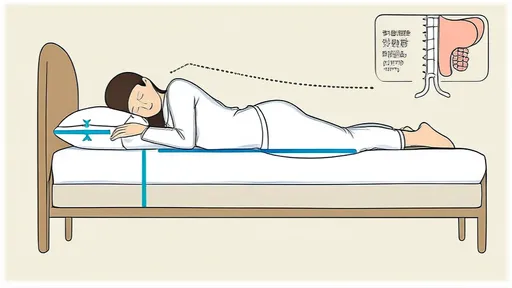
The act of rising from bed requires careful consideration for hypertension patients. Abruptly sitting upright creates immediate orthostatic stress as the cardiovascular system adapts to positional changes. Specialists recommend a gradual three-stage process: beginning with brief wakeful lying, progressing to seated edge-of-bed positioning, and finally achieving standing posture. This phased approach allows baroreceptors—pressure sensors in major arteries—to properly adjust to gravitational changes.

During the initial wakeful lying phase, simple isometric exercises prove beneficial. Gentle ankle circles and wrist rotations stimulate venous return without dramatically elevating heart rate. These subtle movements prepare the circulatory system for more significant activity while maintaining stable blood pressure parameters. Patients often overlook this critical transition period, yet it serves as the foundation for safer morning mobility.

Postural Considerations and Movement Mechanics

Proper body mechanics during the rising process significantly influence cardiovascular response. The standard recommendation involves using arm support to push upright rather than relying solely on abdominal muscles. This technique reduces intra-abdominal pressure that could otherwise translate to vascular strain. When moving from sitting to standing, maintaining slight knee flexion helps distribute the postural load across multiple muscle groups rather than concentrating demand on the cardiovascular system.

Balance plays an often-underestimated role in blood pressure management. Instability during standing triggers adrenaline release as the body attempts to prevent falls—this catecholamine surge directly impacts blood pressure. Simple balance exercises performed while seated on the bed edge, such as heel-toe rocking or single-leg lifts, enhance proprioception and reduce the need for compensatory cardiovascular responses during upright transitions.

Breath Control Techniques

Respiratory patterns profoundly influence morning blood pressure dynamics. The Valsalva maneuver—inadvertently performed when holding breath during movement—creates dangerous pressure spikes. Conscious diaphragmatic breathing should accompany all transitional movements. A recommended pattern involves inhaling during preparation phases and exhaling during exertion phases of movement.

Advanced techniques incorporate paced breathing with specific ratios. The 4-7-8 method (inhale for 4 counts, hold for 7, exhale for 8) has demonstrated particular efficacy in blunting morning blood pressure surges when practiced during wake-up routines. This controlled breathing not only manages immediate pressure responses but also establishes parasympathetic tone that carries through the morning hours.

Environmental Factors and Morning Preparation

Bedroom conditions significantly impact these morning cardiovascular transitions. Ambient temperature deserves special attention—cool environments trigger vasoconstriction while excessive warmth promotes dehydration. Maintaining a neutral thermal zone helps prevent unnecessary vascular stress. Hydration status from overnight significantly affects morning blood viscosity; keeping water bedside for small sips upon waking can improve circulatory dynamics.

The timing of morning medications interacts crucially with movement protocols. Some antihypertensives require specific positioning for optimal absorption, while others need time to reach therapeutic levels before physical activity. Consultation with prescribing physicians can help synchronize pharmaceutical and movement strategies for maximal morning protection.

Long-Term Adaptation and Progress Monitoring

Implementing these morning movement protocols creates measurable physiological adaptations over time. Baroreceptor sensitivity improves with consistent practice, leading to more stable transition periods. Patients should track morning blood pressure at multiple time points—immediately upon waking, after positional changes, and following morning routines—to identify patterns and refine their approach.

Technological advances now enable sophisticated monitoring of these morning transitions. Wearable devices can track heart rate variability during wake-up sequences, providing feedback for protocol optimization. This biofeedback approach allows for personalized refinement of morning movement strategies based on individual physiological responses rather than generic recommendations.

The cumulative effect of proper morning movement protocols extends far beyond the wake-up period. By establishing stable cardiovascular parameters early in the day, patients often experience more controlled blood pressure patterns throughout waking hours. This comprehensive approach represents an often-overlooked yet critical component of hypertension management—one that bridges pharmaceutical treatment and lifestyle modification for optimal results.

Recommend Posts
Health

Fragmented Breaks for Decision Fatigue

By /Jul 28, 2025

The modern workplace operates at a relentless pace, demanding constant decision-making from professionals across industries. This unending stream of choices—from strategic business moves to mundane daily tasks—gradually depletes our mental reserves, leading to a phenomenon known as decision fatigue. Unlike physical exhaustion, this cognitive weariness creeps in subtly, impairing judgment and productivity while often going unrecognized until significant damage has been done.
Health

Parent-Child Conflict Emotional Isolation Method

By /Jul 28, 2025

In the intricate dance of parent-child relationships, emotional distancing during conflicts has emerged as a significant psychological phenomenon. The term "emotional isolation" describes a state where either parent or child deliberately withdraws from emotional engagement as a coping mechanism during heated disagreements. This behavioral pattern, while sometimes providing temporary relief, often exacerbates underlying tensions and creates long-term relational fractures.
Health

Diabetics' Guide to Choosing Dishes at Restaurants: Traffic Light System

By /Jul 28, 2025

For individuals managing diabetes, dining out can often feel like navigating a minefield of tempting yet potentially harmful food choices. The concept of a "traffic light" system—categorizing foods as green (go), yellow (caution), and red (stop)—provides a practical framework for making healthier decisions without sacrificing enjoyment. This approach empowers diabetics to take control of their meals while still savoring the social and culinary pleasures of eating out.
Health

Criteria for Seat Selection in Individuals with Lower Back Pain

By /Jul 28, 2025

For individuals suffering from chronic or occasional lower back pain, selecting the right chair can make a significant difference in daily comfort and long-term spinal health. The wrong seating choice may exacerbate discomfort, while an ergonomically designed chair can provide relief and even contribute to better posture. Understanding the key factors that make a chair suitable for those with back pain is essential for making an informed decision.
Health

Standard Illustrations of Morning Movements for Hypertension Patients

By /Jul 28, 2025

For millions of individuals managing hypertension, the first moments after waking can set the tone for the entire day. Emerging research suggests that specific morning movements and postural adjustments may significantly impact blood pressure regulation. This article explores the science behind optimal morning routines for hypertensive patients, offering practical guidance grounded in current medical understanding.
Health

Home Dust Mite Control Manual for Rhinitis Patients

By /Jul 28, 2025

For millions of people worldwide, allergies triggered by dust mites can turn the comfort of home into a constant battle against sneezing, congestion, and itchy eyes. While medications provide temporary relief, addressing the root cause—dust mite populations in your living space—can lead to long-term improvement. For those suffering from chronic rhinitis, understanding how to effectively reduce dust mites at home becomes an essential part of managing symptoms.
Health

3-Minute Office Mindfulness Breathing Technique

By /Jul 28, 2025

In the fast-paced world of modern offices, where deadlines loom and emails never seem to stop, finding moments of peace can feel like an impossible task. Yet, what if just three minutes could reset your mind, sharpen your focus, and bring a sense of calm to your day? The 3-Minute Office Mindfulness Breathing Technique offers exactly that—a simple, accessible way to center yourself without leaving your desk. This practice isn’t about escaping work but about returning to it with renewed clarity and purpose.
Health

Commuter Subway Station Standing Training Method"

By /Jul 28, 2025

For urban commuters who spend hours each week packed into subway cars like sardines, mastering the art of standing comfortably becomes an unexpected survival skill. The subway stand isn't just about staying upright—it's a full-body engagement that requires subtle adjustments most passengers never consciously consider. Those who develop this skill move through their commute with less fatigue, fewer aches, and surprisingly greater mental clarity by the time they reach their destination.
Health

Osteoporosis Risk Self-assessment 10 Questions

By /Jul 28, 2025

The silent thief of bone density often goes unnoticed until the first fracture occurs. Osteoporosis, a condition characterized by weakened bones prone to fractures, affects millions worldwide, particularly postmenopausal women and older adults. While medical professionals use advanced tools like DEXA scans for diagnosis, simple self-assessment questionnaires can serve as valuable early warning systems. These accessible screening tools help individuals recognize potential risk factors and seek timely medical intervention.
Health

Essential List for an Emotional First Aid Kit

By /Jul 28, 2025

In our fast-paced world where stress and emotional turbulence have become commonplace, having an emotional first aid kit is just as crucial as keeping bandages and antiseptics in your medicine cabinet. Unlike physical wounds that are visible and often treated immediately, emotional injuries tend to be neglected, left to fester until they manifest as anxiety, depression, or burnout. The concept of an emotional first aid kit isn’t about quick fixes but rather about equipping yourself with tools and practices that can help you navigate life’s inevitable ups and downs with greater resilience.
Health

Pressure Relief Acupressure Points Chart

By /Jul 28, 2025

In today’s fast-paced world, stress has become an inevitable part of daily life. From work deadlines to personal responsibilities, the weight of modern living often leaves people feeling overwhelmed. While there are countless methods to manage stress, one ancient practice has stood the test of time: acupressure. This traditional healing technique, rooted in Chinese medicine, involves applying pressure to specific points on the body to alleviate tension and promote relaxation. A well-designed acupressure chart can serve as a valuable guide for anyone looking to harness the power of touch for stress relief.
Health

A List of Breakfast Pitfalls for Fatty Liver Patients to Avoid

By /Jul 28, 2025

For individuals diagnosed with fatty liver disease, breakfast choices can significantly impact liver health and overall well-being. While mornings often feel rushed, making informed dietary decisions can help manage symptoms and prevent further liver damage. The wrong breakfast foods may exacerbate inflammation, contribute to insulin resistance, or increase fat accumulation in the liver. Understanding which items to avoid—and why—can empower patients to start their day with liver-friendly nourishment.
Health

Sensory Anchoring Training for Anxiety

By /Jul 28, 2025

In our fast-paced modern world, anxiety has become an unwelcome companion for many. The constant barrage of stimuli, coupled with the pressures of daily life, often leaves individuals feeling overwhelmed and disconnected from their physical surroundings. Sensory anchoring has emerged as a powerful technique to combat these feelings, offering a tangible way to ground oneself during moments of distress.
Health

Constipation Sufferers' Intestinal Clock Training

By /Jul 28, 2025

The human digestive system operates on a finely tuned internal clock, yet modern lifestyles often disrupt this natural rhythm. For individuals struggling with chronic constipation, retraining the gut's circadian patterns may offer surprising relief. Emerging research suggests that aligning bowel habits with the body's biological clock could significantly improve regularity without relying solely on laxatives or dietary changes.
Health

Gastroesophageal Reflux Disease (GERD) Sleep Position Adjustment Guide

By /Jul 28, 2025

For millions of people worldwide, gastroesophageal reflux disease (GERD) turns nighttime into a battleground. The burning sensation creeping up the chest, the sour taste in the mouth, and the interrupted sleep create a vicious cycle that impacts overall well-being. While medications and dietary changes play crucial roles in management, one often overlooked aspect is sleep positioning. The way we position our bodies during sleep can significantly influence the frequency and severity of acid reflux episodes.
Health

Emergency Dietary Plan for Acute Gout Attacks

By /Jul 28, 2025

When gout strikes suddenly, the searing pain in your joints can feel unbearable. During these acute flare-ups, what you eat and drink becomes more than just daily nutrition—it transforms into an emergency response strategy. The right dietary choices during a gout attack can mean the difference between prolonged suffering and quicker relief.
Health

Seven Common Mistakes in Blood Glucose Monitoring

By /Jul 28, 2025

Blood glucose monitoring is a cornerstone of diabetes management, yet many individuals fall into common traps that compromise the accuracy and effectiveness of their readings. These pitfalls often go unnoticed but can significantly impact treatment decisions and long-term health outcomes. Understanding these subtle mistakes requires moving beyond simplistic checklists and examining the nuanced realities of daily glucose monitoring.
Health

Negative Thinking Pause Technique

By /Jul 28, 2025

In today’s fast-paced world where stress and anxiety seem to permeate every aspect of modern life, the ability to halt negative thought patterns has become an essential psychological skill. Negative thought stopping refers to cognitive behavioral techniques designed to intercept and disrupt harmful mental loops before they spiral out of control. These methods don’t just offer temporary relief—they can fundamentally rewire how our brains process challenges and setbacks.
Health

Three-Step Method for Digital Detox Before Bedtime

By /Jul 28, 2025

In an era where screens dominate our daily lives, the concept of digital detoxification has gained significant traction. Among the various strategies proposed, the three-step bedtime digital detox method stands out as a practical approach to reclaiming restful sleep. This method, while simple in theory, requires deliberate effort to implement effectively. By focusing on reducing screen time before bed, individuals can mitigate the adverse effects of blue light exposure and mental stimulation, paving the way for deeper, more restorative sleep.
Health

Gradual Exposure Practice for Social Phobia

By /Jul 28, 2025

Social anxiety can feel like an invisible cage, limiting one's ability to connect with others and fully participate in life. For those who experience sweaty palms, racing thoughts, or overwhelming dread at the prospect of social interactions, the world can seem like a minefield of potential embarrassment. Yet there exists a powerful, evidence-based approach that has helped countless individuals gradually reclaim their confidence: exposure therapy.